Anúncios
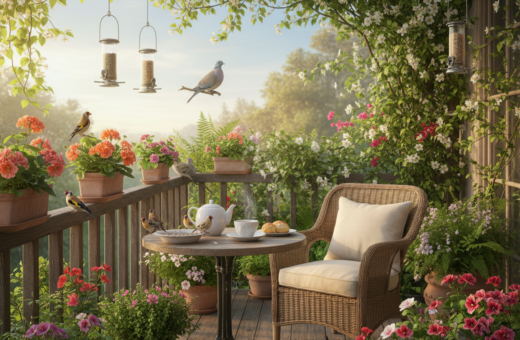
Many city residents start with a tiny 3×5 slab of concrete and want to bring nature closer. They can transform that small space into a thriving spot to attract birds and observe species near their apartment window.
By adding simple elements—feeders, dishes of water, pots of plants and flowers—they create shelter and food without a yard. A reliable water source and varied seeds draw sparrows and fruit- or insect-loving species that often skip plain balconies.
Small changes make a big difference. Using a feeder, a shallow dish, and native plants gives birds a safe source of food and nesting cover. This way, residents enjoy nature from their window and learn which local species visit.
Assessing Your Balcony for Wildlife Potential
Start by mapping how light and layout shape the tiny ecosystem on your terrace. A quick survey helps decide where to place feeders, planters, and a small dish of water.
Evaluating Layout and Sunlight
Note which corners get morning sun and which stay shaded most of the day. Sun affects which plants thrive and when a shallow water dish will stay warm enough for regular use.
Anúncios
Observe the space over several days to learn where sparrows and other visitors prefer to perch. This short monitoring time avoids placing a permanent feeder where birds rarely go.
Checking Building Regulations
Before installing anything, read apartment or condo rules. Some complexes restrict feeders or limit pot placement on railings.
Confirm guidelines with management to avoid fines or removal of planters. If feeders are banned, a tabletop dish or window-mounted tray may be an acceptable compromise.
Anúncios
- Track sunlight and wind for a few days.
- Verify property rules about feeders and planters.
- Place plants to create sheltered perches and cover.
- Use a small dish of water where allowed for drinking and bathing.
Selecting Native Plants for a Bird Friendly Balcony
Native flowers and shrubs turn tight outdoor areas into steady sources of seeds, fruit, and insects.
In the Northeast, Black-eyed Susans and Purple Coneflowers supply seeds and nesting material that attract birds through late fall. In the Southwest, Desert Marigold and Penstemon offer nectar and cover for regional species.
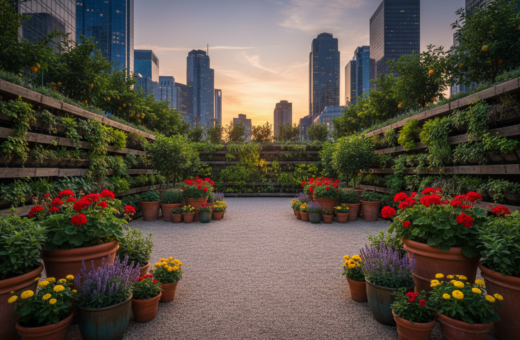
Use vertical space with hanging baskets or small potted trees to expand habitat without crowding the floor. This creates shelter and perches that encourage sparrows and other visitors to use the space.
- Plant spring-blooming mixes so insects and fruit appear when most species need food.
- Add a sunflower or other tall flower to give seeds and a natural place to build a nest.
- Mix three to five types of plants to support biodiversity and provide year-round food.
Essential Water Features and Feeding Stations
A few smart feeding stations and shallow water sources will encourage regular visits from neighborhood species. Proper placement and upkeep help create a steady food and water source that fits small urban spaces.
Choosing the Right Feeder Types
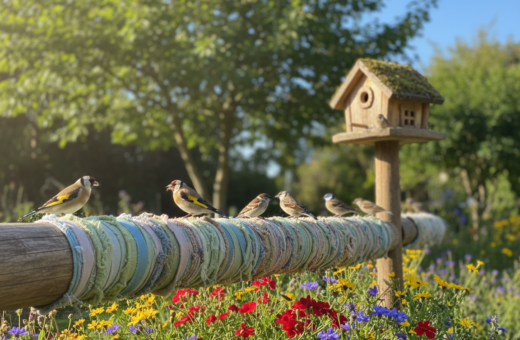
Mix feeder styles to attract varied species. Tube feeders suit seed eaters, suet cages draw insect-eating visitors, and platform trays invite others to feed together.
Maintaining Cleanliness and Hygiene
Regular cleaning prevents disease. Use a solution of 1 part bleach to 9 parts water to disinfect feeders and rinse thoroughly.
Keep a tray under feeders to catch falling seed and reduce mess for neighbors below.
Installing Shallow Water Sources
Provide a shallow dish or tray for drinking and bathing. Change the water frequently and place it where birds feel safe from heavy wind.
- Offer sunflower seeds or small pieces of fruit seasonally to keep birds visiting over time.
- Rotate foods to support different species and attract insects when needed.
- Check dishes daily in warm weather to prevent contamination.
Enhancing Safety and Comfort for Avian Visitors
Small upgrades make the space safer and more welcoming for visiting birds. Focus on visible windows, secure fixtures, and non-toxic surfaces to reduce injuries and stress.
Preventing Window Collisions
Install bird-safe window decals or lightweight screens so windows read as solid to small birds in flight. Patterns placed every few inches stop reflections that cause strikes.
Keep feeders and perches away from reflective glass. When food and water sit too close to windows, birds may mistake reflections for open space and collide.
Securing Fixtures and Removing Hazards
Check that feeders, pots, and hanging planters are fastened tightly. In windy weather, loose items can move suddenly and scare or injure visitors.
Use non-toxic materials for perches, dishes, and supports so local sparrows and other species avoid harmful chemicals. Replace frayed ropes and remove loose wires.
- Place feeders a safe distance from windows and high-traffic doors.
- Inspect the space weekly for loose hooks, wires, or sharp edges.
- Choose sturdy, non-toxic dishes for water and food.
Regular checks and simple fixes keep the area a dependable stop for neighborhood birds and help them feel secure when visiting.
Engaging with the Local Birdwatching Community
Sharing sightings and data helps urban observers turn a simple feeder into a useful research point.
Join apps and local groups such as eBird and Project FeederWatch to log visits and track trends. These platforms let a person submit records from an apartment and see how local species change across seasons.
Consider tech tools too. After six months of testing, experts recommend smart bird feeder cameras like Bird Buddy and Netvue’s Birdfy. These devices capture visits at the tray and make identification and sharing easy.
- Use eBird to share photos and counts with other enthusiasts.
- Install a smart camera to document feeders and help with ID.
- Join Project FeederWatch to contribute formal data for researchers.
- Post images of sparrows and other visitors to inspire neighbors.
Keep feeders and water dishes clean so the birds that visit stay healthy and return. Regular cleaning is the best way to protect local populations and make your balcony a trusted stop for wildlife.
Conclusion: Enjoying Your Urban Nature Sanctuary
With steady care, a modest outdoor ledge evolves into a welcoming space for nesting, feeding, and watching birds. Small additions—native plants and a shallow water dish—create shelter and reliable food sources even without a yard.
Choosing the right plants that attract local species matters. Add sunflower varieties, flowering shrubs, and small trees to supply seeds, cover, and spring insects. These choices help sparrows and other visitors find places to nest and feed.
Keep the space tidy, rotate food, and watch your balcony grow into a true urban sanctuary that connects residents with nature.