Anúncios
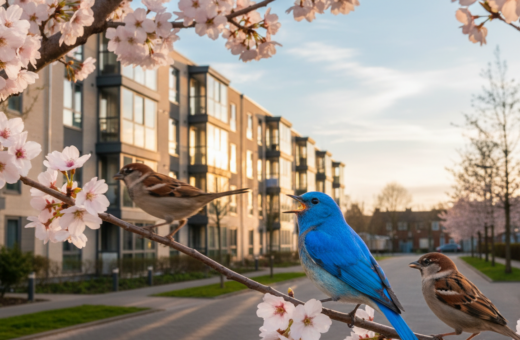
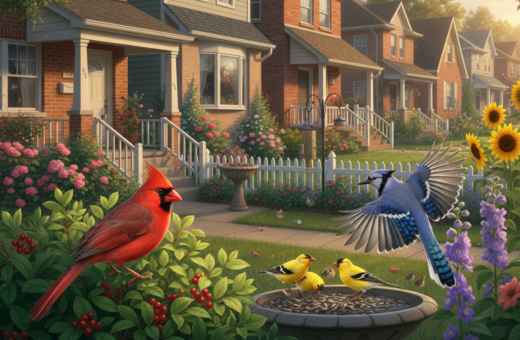
Urban birdwatching makes nature close and simple for many people. It lets them enjoy birds without trips to the countryside. The hobby fits into a busy life and shows how easy it is to connect with nature.
David Lindo, known as the urban birder, shows that anyone can begin today from their home. He began watching birds at three years old in North West London and proves small spaces can host rich sightings.
Many assume birding needs a rural town visit, but city windows and parks reveal surprising species each day. With simple habits and a little time, a person’s experience of their surroundings can change for the better.
Over the years, steady observation becomes a new way to see the world. Practicing a few small routines will turn ordinary moments into steady discovery and delight.
Anúncios
Understanding the Potential of Urban Birdwatching
City rooftops, parks, and window ledges hide a surprising variety of feathered life for people who look closely. This makes urban birdwatching an accessible hobby for apartment dwellers and busy residents.
Research shows how rich these habitats are. The Royal Society found that 550 of Britain’s 600 bird species have been seen in urban areas. Global studies across 54 cities report more than 2,000 species living in cities worldwide.
Anúncios
- Wide variety: Cities host many species that adapted to human life.
- Easy access: You do not need long trips to enjoy birding.
- Ecological value: Built environments support important habitats for wildlife.
David Lindo has spent years showing that birding in a city can be as rewarding as a day in the field or countryside. Recognizing the diversity around one’s home changes the way people see their world and deepens the birdwatching experience.
Adopting the Right Mindset for City Birding
Seeing a skyline as a living map helps people notice the small acts of birdlife that unfold each day. A simple shift in focus turns built areas into resources for nesting and feeding. This is a mental change more than a skills lesson.
Viewing Buildings as Cliffs
When observers imagine tall facades as cliffs, they spot perches, ledges, and safe routes. David Lindo suggests this helps explain how different species use towers and terraces. The idea makes roofs and balconies feel alive.
Seeing Green Spaces as Oases
Small parks, planters, and yards act as vital oases in a busy world. Even tiny green spaces provide food, shelter, and stopover points for birds. Appreciating these patches changes the way someone walks a neighborhood.
- Adopt a bird’s view to link cliffs and oases into a network.
- Focus on time spent observing, not memorizing names.
- Enjoy how wildlife navigates modern architecture and finds habitat.
“Don’t stress over every name; enjoy the time watching life unfold,”
Essential Techniques for Apartment Dwellers
Short, regular checks of the sky and nearby trees unlock steady sightings from a small flat. Small habits make a big difference to anyone who wants to build a daily practice at home.
Looking Up and Observing Daily
David Lindo, the urban birder, often says:
“Look up.”
This simple tip helps commuters spot migrating raptors and passerines while walking to work or the station. A quick scan of rooftops and treetops can reveal common and rare species.
- Look up during short walks and at windows to increase sightings.
- A basic pair of binoculars enhances the view but is not required.
- Spend a little time each day noting calls, colors, and behavior to grow your knowledge.
Consistent practice turns casual looks into confident identification. Over weeks, the birdwatching experience at home will feel more like field time—rewarding and steady.
Finding Your Local Birding Patch
Choose a small, familiar green spot and visit it often to learn how bird life changes across the year.
A birding patch can be as large as the 76-hectare Wormwood Scrubs in North London or as modest as a roadside scrub by a busy city airport. Visiting the same area today, week after week, reveals how species arrive and move on with the seasons.
Spending regular time in one patch trains the eye. People begin to notice subtle calls, favored perches, and rare visitors that others miss.
- Consistent visits: build memory of normal numbers and behavior.
- Local spots: parks, planters, and scrubland all host useful sightings.
- Record findings: note what you see today to help conservation.
“A steady patch gives the best lessons in how a little corner of the world supports wildlife.”
Whether at home or out in a public park, a regular patch is the easiest way to improve birdwatching skills and enjoy more meaningful encounters with birds over the years.
Connecting with Like-Minded People
Connecting with other local observers turns solo sightings into richer, shared moments.
Joining Local Groups
Joining local groups lets people meet others who share a passion for birds and conservation.
Groups often offer guided walks, ID help, and chances to learn from experienced members.
Using Digital Communities
Online forums and social apps make it easy to swap photos and calls with people across the country.
A message or post can spark fast ID tips and build lasting contacts for real-life outings.
Sharing Your Discoveries
Sharing sightings boosts community knowledge and brings encouragement to newcomers.
David Lindo, awarded the H. H. Bloomer in 2021, notes that birding often improves when it is shared.
- Skill growth: years of group experience speed learning.
- Social life: meetings turn a quiet hobby into a lively social event.
- Conservation: shared records help protect local life and habitats.
“Birding is best enjoyed when shared with a supportive community.”
Overcoming Common Misconceptions
People often think cities are quiet for wildlife, yet familiar streets can surprise with lively feathered residents.
A big myth says urban areas lack diverse birds. In truth, many species adapt to city life. Feral pigeons, descendants of Rock Doves, even learned routes in the London Underground. That shows how smart some birds can be.
Another myth is that one must buy expensive binoculars to start birding. A simple pair of eyes and steady time watching will reveal much. People who pause at a window often spot surprising behavior.
- You do not need a field trip: local parks and a small patch can teach seasonal change.
- Data helps conservation: recording sightings in your area protects habitats year after year.
- Cities host wildlife: some species thrive in concrete areas and build new habits.
“Spend a little time looking and the city becomes a classroom for nature.”
Conclusion
Spending a few minutes each day looking out can reveal the rich life that shares a city. This simple practice makes urban birdwatching a rewarding way to connect with nature and notice small wonders near home.
Following tips from the urban birder and keeping a steady routine helps people enjoy birding without pressure. Engaging with a community of like-minded people will deepen the experience and build lasting connection.
Birding is personal — set your own pace and enjoy each sighting. Start today and see how this small habit can change daily life and open a new way to view the world.