Anúncios
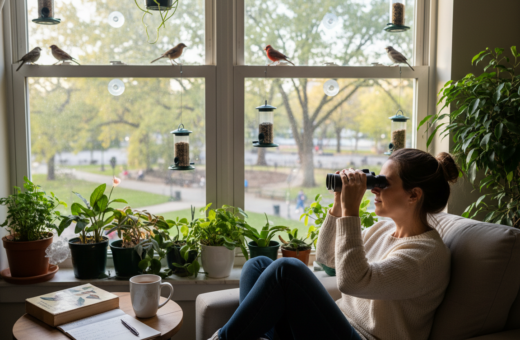
Watching birds from inside offers a quiet, close-up view of nature. A clear window can make that experience special, but glare and mirror-like surfaces often spoil the scene.
Eli Haislip, manager at The Wood Thrush Shop in Nashville, points out that many birds do not recognize glass as solid. They may see their own image as a rival, which can ruin the view for you and stress the bird.
Understanding how birds perceive their surroundings helps you pick simple ways to keep the glass clear. Small changes to your setup can cut glare and improve sight lines.
These practical tips suit casual observers and dedicated hobbyists alike. With a few adjustments, you can protect wildlife while enjoying a steady, unobstructed view of local birds.
Understanding Why Birds Attack Windows
Birds often misread shiny panes as open sky or other birds, leading to harmful encounters. This mix of territorial instinct and optical illusion explains most collisions at homes and commercial glass.
Anúncios
The Territorial Instinct
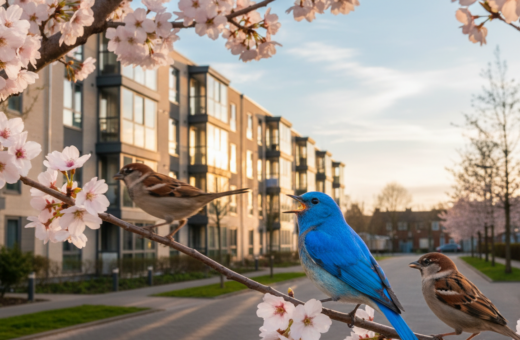
Many species defend space during breeding season. Northern Cardinals and American Robins commonly peck at glass when they see a rival image.
This behavior stresses the animal and ruins the view for humans who want a calm, clear sightline.
The Illusion of Open Space
To a bird, reflective glass can show sky and trees instead of acting as a barrier. Birds see what looks like continuous space and may fly straight into the pane.
Anúncios
- Estimates suggest up to 1 billion birds die yearly in North America from window strikes.
- The British Trust for Ornithology reports about 100 million bird collisions each year in the UK.
- At night during migration, indoor lights can disorient species and increase fatal strikes.
Practical Methods for Birdwatching Through Window Reflection
A few deliberate changes outside and inside the house make glass easier for birds to spot.
Make the pane visible. Apply decals, stick-on film, or external screens so local birds see the obstacle. Decorative patterns or hanging items in front of the glass also break up mirror-like surfaces and cut glare.
Place feeders close or far from the glass. Positioning a feeder within 1 meter or beyond 10 meters of the windows reduces high-speed flight and lowers injury risk.
- Use old reflective CDs or stick-on film to make visible birds notice the barrier.
- Add plants near the front of the window for cover, but avoid creating confusing flight paths for species.
- Consider screens or light management to limit confusing reflections and improve your view.
“If a window is hard to reach, anchor Mylar balloons to a heavy object outside to flutter and disrupt the reflection.”
Essential Steps for Preventing Fatal Window Strikes
You can make windows safer for birds by combining external barriers, smart feeder placement, and simple light control. These steps cut collisions and help wildlife that visits your garden.
Applying External Visual Barriers
Install netting, taut screens, or decals on the outside of the glass to create a clear barrier. Visible patterns and UV decals give birds a cue and reduce deadly impacts.
Adjusting Feeder Placement
Move feeders so birds do not fly fast into panes. Place feeders very close (under 3 feet) or well away (over 30 feet) from windows to limit dangerous flight paths.
Managing Indoor Lighting
At night, dim lights and close curtains. The Cornell Lab of Ornithology advises shutting blinds during migration to prevent disorientation.
- If a stunned bird is found, place it in a dark, warm box lined with soft cloth for recovery.
- Combine screens with plants and patterns outside to form a safe approach path for local species.
- These practical tips help humans reduce bird collisions and protect diverse species visiting the home.
Conclusion
Small changes around your home can cut collisions and make the view safer for local wildlife. Use visible barriers, adjust feeder placement, and add simple screens on key windows to give birds clear signals and reduce harm.
Manage night lighting during migration and close blinds when possible. If a stunned bird needs help, place it in a warm, dark box for short-term care and contact a local rehabber.
These steps let humans enjoy birds in the garden while protecting visiting species. Consistent action—decal, screen, or smarter feeder placement—adds up. Every small intervention helps keep your home a safer spot for feathered neighbors.