Watching birds from your home can be quiet, rewarding, and educational. This short guide shows how to place a chair to cut sudden motion that spooks common backyard visitors.
Start simple: pick a room with a clear view of feeders or perches and keep movement slow. Use high-quality binoculars so you don’t lean toward the glass. A good field guide or smartphone app helps with identification and tracking color patterns of local bird species.
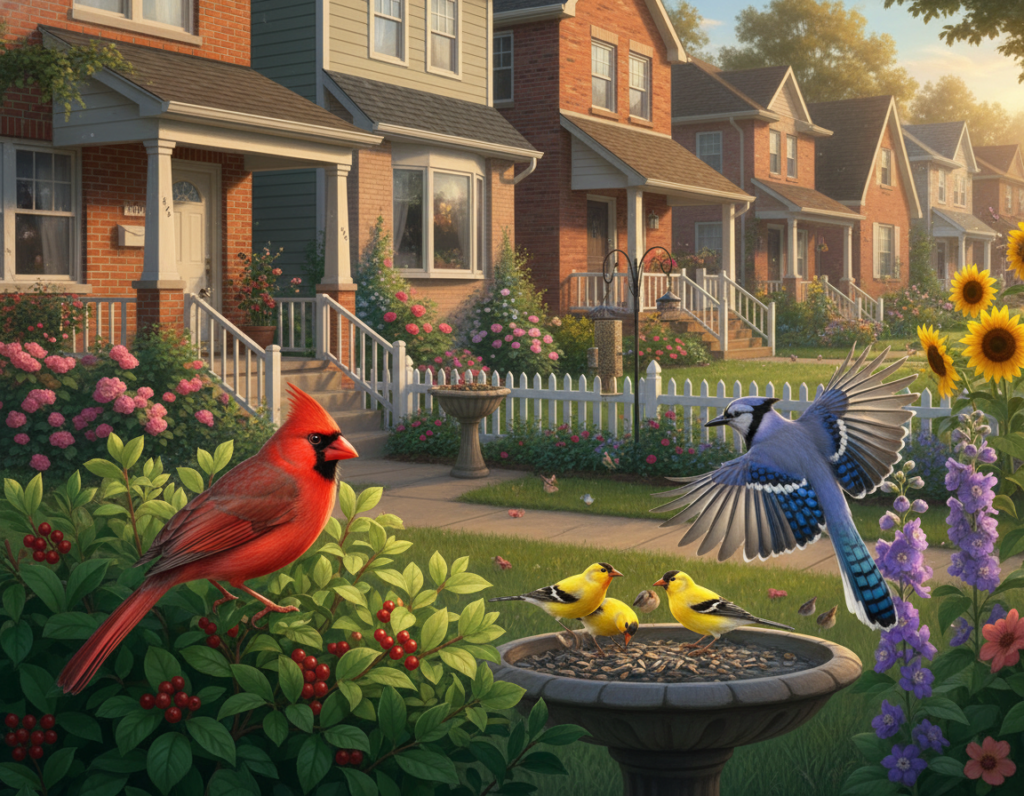
Blue jays, about the same size as American robins, and mourning doves, roughly 12 inches long, are easy to study when you stay still. Over years, many people refine their birdwatching habits to enjoy the world outside without startling subjects.
Understanding Bird Behavior and Sensitivity to Movement
Many backyard birds react to tiny shifts in light or motion, so understanding their senses helps you avoid startling them. Birds rely on quick visual cues to detect threats. Even small changes in color or light near the window glass can trigger flight.
Why birds flee from indoor activity:
- Birds are highly sensitive to motion, which means your room design should keep you hidden and quiet.
- A sudden change in glare or hue at the pane makes a bird assume danger and leave the area.
- Seasonal pressure in winter and some months makes visitors focus on food; any disturbance cuts observation time short.
How remaining still improves identification
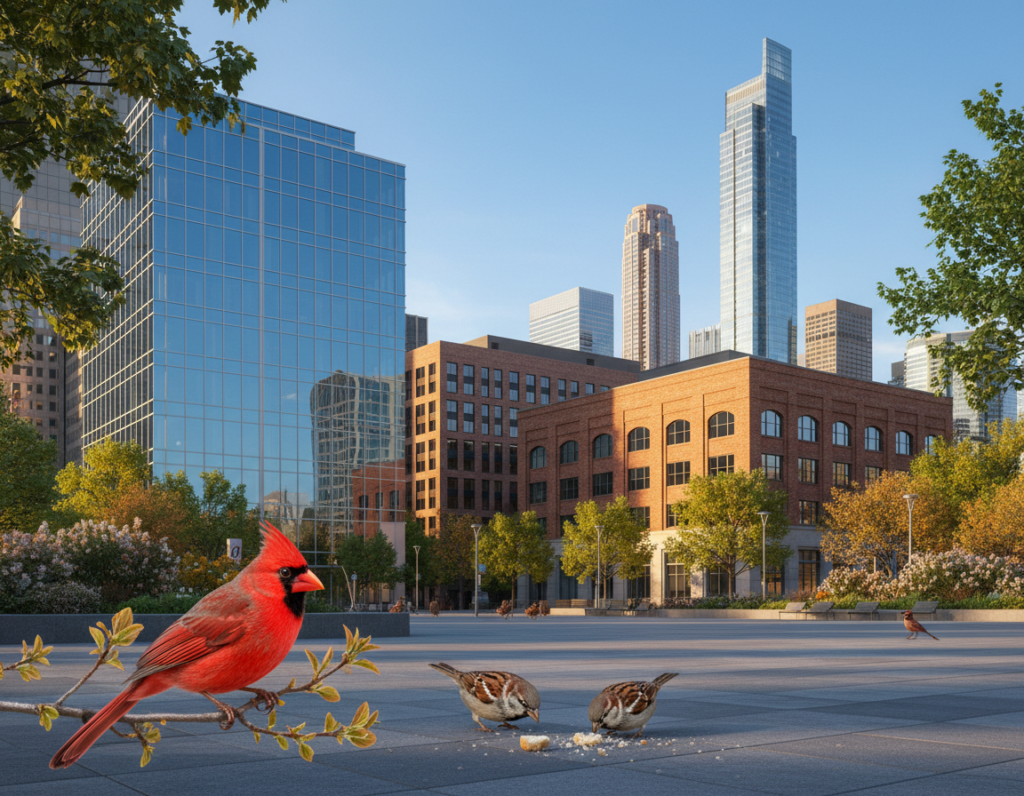
Staying very still gives you time to use binoculars and note features like size, color, and markings. For example, northern cardinals have bright red body feathers, a black face, and a short, cone-shaped pink beak.
Mourning doves often perch on wires or fences and may appear across the continental United States. These species can be easily startled, so patience and a quiet location help with clear identification and better study of backyard behavior.
Selecting the Optimal Indoor Birdwatching Setup Window
Choose a pane that faces a quiet patch of yard or shrubs where birds naturally land. Pick a room in your home away from busy halls and doors so people move less near the glass.
Practical distances matter: mount a feeder 12–18 inches from the glass so birds feel safe while you still get a clear view. Position the feeder mouth about 6–8 inches above the bottom of the frame to mimic natural perching heights for many species.
Choose a pane that gives easy access to the exterior parts for cleaning and refilling. A clear design works best, but you can apply an anti-glare film if reflections bother your field of view.
Place the feeder 12–18 inches from the glass and set the mouth 6–8 inches above the frame for best results.
- Use binoculars from a comfy chair in the room to watch birds without startling them.
- Prioritize a quiet spot in your home; proper placement is the key step in the process.
Managing Indoor Lighting to Prevent Startling Birds
Soft room lighting makes a big difference in whether birds feel safe near the glass. Keep interior brightness low so the pane stays clear and reflective flashes do not spook visitors.
Use warm tones. Low-intensity, warm-tone LED strips or small solar lanterns create a soft halo that invites birds without dazzling them. Avoid cool white or blue lights; birds react to harsh color shifts more readily.
Test a battery-powered LED strip wrapped around the frame for evening observation. If a bird hesitates to land, check whether your indoor light is brighter than the light outside during the day.
- Manage light to prevent sudden flares that scare birds away from the window.
- Warm LEDs reduce harsh reflections on the glass surface and keep the scene calm.
- Always test your arrangement at night to ensure no glare blocks your view.
Strategic Chair Placement for Maximum Stealth
Place your chair so your body stays low in the room and your silhouette is hidden from the yard. This simple move cuts the chance that birds will notice you and fly off.
Finding the Right Distance from the Pane
Sit at least 12–18 inches back from the glass. That gap reduces your outline on bright days and keeps reflections steady. Measure the inches if you need to—small changes matter.
Aligning Your Sightline with the Feeder
Set the seat so your sight meets the feeder without leaning. Keep binoculars within reach. This design reduces head turns and helps you use your field optics without rising.
Minimizing Peripheral Motion
Choose a location where daily movement—pets, doors, or people—is hidden from the view outside. Dim room light so the glass acts as a natural barrier.
“Remain still and patient; birds will give you more time to observe.”
Essential Gear for Your Indoor Observation Station
Well-chosen equipment focuses your attention on the birds and reduces the need to shift or fidget. A small, reliable kit makes identification easier and keeps the scene calm.
- High-quality field guide plus a reliable app for fast bird identification and notes.
- Binoculars, a comfortable chair, and a soft cleaning cloth for clear glass and optics.
- Feeder selection by size and design to attract cardinals, downy woodpeckers, and other species.
- Journal or camera to record visits and changes across months and years.
- Warm blanket or extra layers for winter sessions so you stay still longer.
Practical tips: Keep binoculars clean; clear glass reveals subtle color and features that separate similar species. Choose a feeder with a removable tray for easy cleaning and frequent refills.
“A compact gear list saves time and helps you notice small ID clues like a forked tail or a black cap.”
Creating a Natural Barrier Between You and the Glass
Create a leafy buffer between your chair and the glass to help birds feel safe when they visit the feeder.
Start with placement: hang the feeder 12–18 inches from the window using a sturdy bracket. The Roamwild model with dual suction cups rated for 2.5 kg keeps the feeder steady and preserves the view.
Use a clear guide to apply window film if you want a one-way effect. That film turns the pane into a subtle barrier so you can watch birds without being seen.
Before mounting suction cups, clean the glass with a damp cloth. This simple step makes the installation process smooth and helps binoculars show crisp detail through the barrier.
- Place branches or potted plants near the window to create a natural perch.
- Confirm the bracket holds the feeder at the correct inches distance.
- Check security often; a loose mount can scare visiting birds away.
“A well-placed barrier keeps motion out of view and gives you longer, calmer visits with the birds.”
Maintaining Your View Through Proper Window Care
Small cleaning habits preserve your sightline and help you identify species from across the room. Keep the glass clear so your binoculars and eyes catch subtle markings. A clean view makes long sessions more rewarding.
Wipe the pane weekly to remove droppings and dust that build up over time. Use a soft cloth and mild cleaner to avoid scratches that could blur your sight.
If a bird seems hesitant, check for streaks that create glare. Streaks bend light and can look like motion to visiting birds.
- Hire a professional for hard-to-reach windows or delicate glass.
- Spend a few minutes each week cleaning to keep the view clear for birdwatching and identification.
- A clean pane extends the life of your equipment and improves every visit with the birds.
“A spotless pane saves time and keeps your sight sharp for quick, accurate IDs.”
Troubleshooting Common Issues That Scare Away Visitors
When bird visits slow, a short checklist often finds the cause. Start with the basics: fresh seed, a clean feeder, and a stable perch. If a feeder keeps tipping, choose models with a wider base or a built-in perch to lower the center of gravity. This change stops spills and keeps birds returning.
- Verify seed freshness and remove moldy items from the feeder list.
- Scan the area for loud noise or sudden movement that startles a bird.
- Reduce glare on the glass or reposition the feeder if cardinals avoid the spot.
- Use an app or pocket guide for fast identification of any predator species nearby.
Keep binoculars nearby but limit motion in the room. Small shifts can scare wary species. Regular maintenance and these practical tips will restore steady visits to your backyard in short times.
“Simple adjustments often solve common problems and bring birds back quickly.”
Conclusion
A calm spot and steady patience let you notice small behaviors that reveal species identity.
, Create a quiet chair area in your home so the glass stays clear and your view stays steady. With correct placement and minimal motion, you can turn a single window into a safe sanctuary for local birds.
Follow this guide to learn identification tips and track visits through the day. Use a reliable field guide to boost your skills and make the hobby more rewarding.
Be patient, keep the pane clean, and stay still. Small choices add up to lasting connections with the wild world outside.