Anúncios
Selecting the right materials for your porch and railing can keep birds from perching while preserving the look of your outdoor space. Small changes in design and finishes make a big difference for homeowners who want a clean, safe porch.
Many birds come to porches because they find food or water and a good vantage point. Understanding local wildlife habits helps you choose a humane solution that avoids harm.
Practical options include slippery finishes, angled caps, and thoughtful landscaping that reduces attractants. These ways work together to discourage nesting and limit droppings that can damage surfaces.
For professional help, contact Bird B Gone at 1-800-392-6915. Our guide that follows will show specific materials and simple steps to protect your space and keep bird activity under control.
Understanding Why Birds Frequent Your Balcony
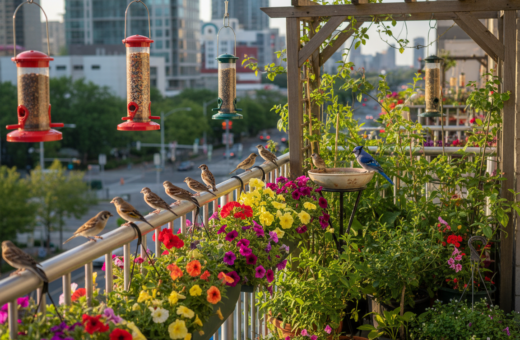
Open outdoor spaces with crumbs or puddles become a regular stop for local bird life. Understanding what draws them helps you plan practical changes that reduce visits without harm.
Anúncios
Food and Water Sources
Many species come where easy food is available. Fruit-bearing shrubs, insects, spilled pet food, and leftover crumbs form a steady buffet.
Water matters too. A shallow bowl, a birdbath, or small puddles make a spot worth returning to day after day.
The Appeal of High Vantage Points
Perches that offer a clear view give animals a safe place to rest and watch for predators and food. Elevated spots also let them spot feeders or gardens nearby.
Anúncios
- High vantage points let birds scout the area for food sources.
- Reliable water like a container increases the chance they return.
- Nesting material or sheltered eaves can encourage longer stays.
- Removing crumbs and pet food changes their behavior over time.
For more detail on why they visit and humane ways to discourage repeated presence, see why so many birds visit the organic.
The Risks of Ignoring Bird Activity on Railings
Unchecked perching on outdoor rails can turn into a costly and unhealthy problem for homeowners.
Health risks are real. Droppings carry pathogens like E. coli, salmonella, and histoplasmosis that can affect people and pets.
The chemical acidity in waste also harms finishes. Over a short time, paint will blister, wood will stain, and metal will corrode.
Left unattended, this damage leads to expensive repairs and weakened structural elements of your porch and railing systems.
Regular monitoring helps prevent nesting and stops a small presence from becoming permanent.
- Acidic droppings can permanently damage surfaces.
- Waste is more than cosmetic; it carries dangerous pathogens.
- Corrosion and staining shorten the lifespan of railings and other materials.
Finding an effective way to keep birds away is a necessary step to protect both health and the long-term value of your outdoor space.
Effective Balcony Rail Protection Birds Solutions
Simple fixes—like tensioned lines or spinning reflectors—often stop perching without changing the look of your porch.
Invisible barriers work well. A taut fishing line or thin nylon wire can keep a stable footing from forming. This low-visual impact approach is easy to install and blends with your outdoor space.
Professional systems also perform reliably. The Bird Wire system uses stainless steel posts and nylon-coated steel wire to block perching. It is a proven solution for keeping larger birds off railings.
- Use fishing line to create a discreet barrier.
- Add pinwheels or whirligigs for movement and reflection.
- Remove food and water sources to reduce returns.
Combine methods for the best result. A multi-layered way—barrier plus visual deterrents and source control—keeps your porch cleaner without harm.
Implementing Physical Barriers for Long-Term Results
Practical physical upgrades give lasting results when you need a reliable solution to stop unwanted landings on your outdoor railing and porch areas.
Bird Wire Systems
Bird Wire systems use stainless steel posts and thin lines to deny pigeons and seagulls a stable footing. They work on flat and circular rails with specialized clamps.
These systems are low-visual and weather-resistant. When installed tightly, they remain effective through wind and rain.
Installing Spikes Safely
Spikes provide a long-term way to prevent gathering in specific spots and to reduce messy droppings. Use wire ties or manufacturer clips to secure them.
Take care not to create a trip or snag hazard near walkways. Place spikes only where birds frequent and follow local regulations.
Using Sloped Rail Covers
Sloped covers make surfaces uncomfortable, encouraging animals to find another spot. They preserve sightlines while lowering cleaning needs.
- A fishing line barrier is subtle and keeps a place clear without blocking the view.
- Sloped covers force birds to move to more stable spots elsewhere.
- Secure installation ensures the barrier stays put in harsh weather.
Combine methods for best results: a taut line, a sloped cover, and selective spikes will reduce repeat visits and protect your porch from constant maintenance.
Natural and Sensory Deterrents to Keep Birds Away
Scent and sight work together to keep wildlife from settling where you want a clean, usable porch. Using natural smells and moving visuals gives animals a clear reason to stay elsewhere.
Using scent-based repellents like peppermint or lemongrass is a gentle way to protect your outdoor space. Avian Block pouches use passive scent technology and cover roughly 6–10 feet. Replace them every three months for steady effect.
How sensory tools work
SpectrumV Holographic Gel Dishes add visual flashes and a slight tack that many small species avoid. Together with scent pouches, they form a non-harmful barrier that reduces perching and nesting.
- Natural oils offer a simple, eco-friendly way to keep birds off a favorite spot.
- Gel dishes create visual hot spots and an unpleasant surface for landing.
- Pinwheels add motion; paired with scents they boost deterrent power.
Tip: Refresh scents regularly and combine methods for a reliable solution that still protects your wildlife-friendly garden and water sources.
Best Practices for Cleaning and Sanitizing Railings
A clean railing reduces disease risk and makes deterrents stick better. Start by removing loose nesting material and any visible droppings. This prepares surfaces so adhesives and covers bond properly.
For stubborn bird droppings, mix one part white vinegar with two parts water. Apply, let the solution sit briefly, then gently scrub with a soft brush to avoid scratching the porch finish.
- Pre-soak problem spots to loosen residue and protect painted or stained surfaces.
- Always wear gloves to shield your hands from bacteria found in droppings.
- Use mild soap and a soft brush for regular cleaning; rinse thoroughly with water afterward.
Remove food and nesting sources near the railing to cut return visits. Clean up spilled food, secure trash, and clear sheltering debris right away.
Take your time after scrubbing to let the area dry before you install deterrents. Proper cleaning not only limits health risks but also prevents the acidic nature of waste from causing long-term damage.
Conclusion
A clear, consistent plan makes it easy to keep wildlife from turning your porch into a resting spot.
Combine simple physical steps with routine cleaning to limit perching and reduce acidic droppings that harm surfaces.
If you need product advice or a professional approach, call Bird B Gone at 1-800-392-6915 for a tailored solution.
Address root causes like food and water, and you change behavior for the long term. These practical tips help keep birds and local wildlife away from railings and preserve your outdoor space.
With patience and the right strategy, you can enjoy a clean, safe porch free from bird nuisances.