Each year an estimated one billion birds die from impacts with clear glass in the United States. This loss is driven in part by low-rise buildings and homes whose reflective surfaces mirror trees and sky. Many homeowners do not realize that large glass openings act as invisible barriers to local wildlife.
Understanding why birds hit panes is the first step toward change. Simple actions at home can cut these incidents dramatically and make your yard safer for visitors at feeders.
This guide offers clear, practical steps to identify high-risk areas and apply proven fixes. You will learn how to spot trouble spots, choose the right materials, and reduce collisions around feeding areas without drastic remodeling.
Understanding Why Birds Collide with Glass
Glass tricks birds by reflecting habitat cues that lure them into danger.
Reflections of trees and sky make panes look like open habitat. Birds see those mirrored images and fly toward what appears to be safe space or cover.
The Role of Reflections
During daylight, reflections create false depth and continuity. Even fit, fast flyers misjudge distance and fly straight into glass.
Research from the American Bird Conservancy shows that reflections explain much of the yearly toll: one billion birds die in the United States annually because they cannot distinguish real habitat from reflected images.
The Impact of Feeding Stations
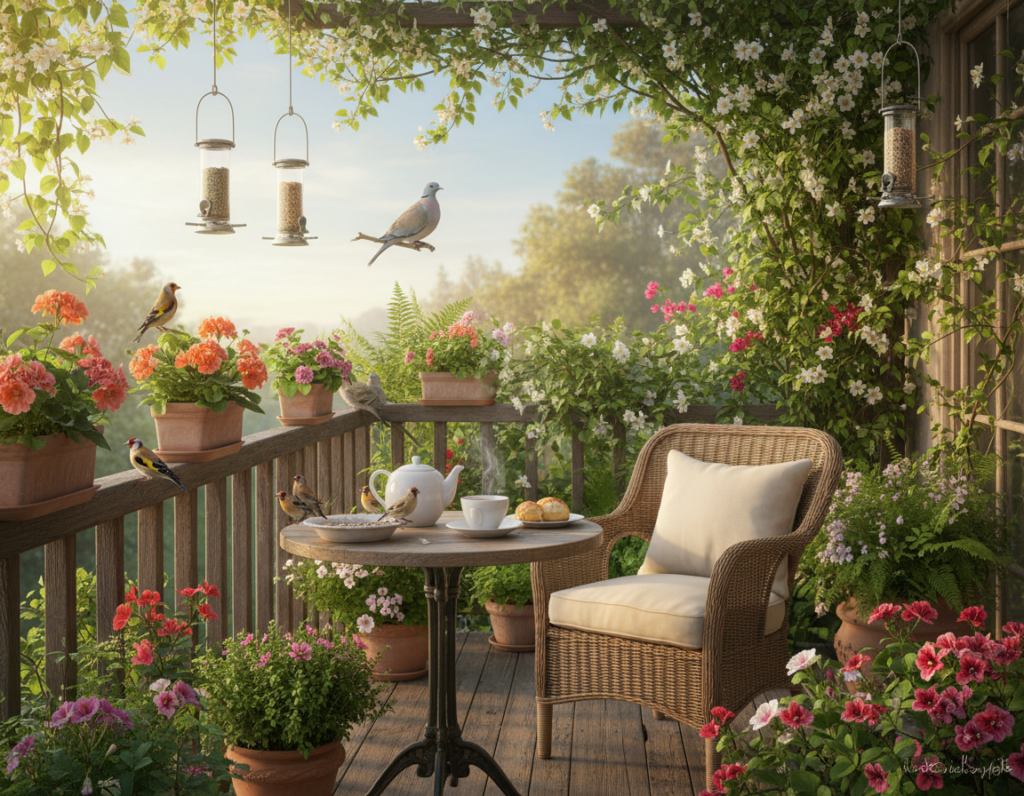
Feeders near glass amplify risk. Attracting birds close to reflective panes increases the chance they will chase visible vegetation or water shown in the glass.
- Daniel Klem’s long-term studies note glass is an indiscriminate killer, affecting many species.
- Small windows can be as dangerous as large ones if they reflect trees or sky.
- The American Bird Conservancy Glass Collision Program highlights that feeder placement matters for local habitat safety.
To learn more about how reflections affect birds and practical steps you can take, see this helpful guide from a conservation resource.
How to Prevent Bird Window Collisions Balcony and Patio Doors
When feeders are close to glass, quick, low-cost fixes work best. Start by treating the outside surface so reflections no longer fool flying visitors.
Applying External Films and Markers
Use visible decals or tape on the outside of panes. Feather Friendly, Bird Divert, and ABC BirdTape are proven by the American Bird Conservancy to be effective.
Place dots or lines no more than 2 inches apart so hummingbirds and small species cannot slip between them.
Installing Bird Screens and Curtains
Removable insect screens over the entire glass provide a non-permanent solution that buffers impact.
Acopian BirdSavers, or “zen wind curtains,” are durable and attractive. They hang outside and break reflections while letting light through.
Addressing Hard to Reach Windows
If you cannot access high panes, hire a pro—window washers or contractors can apply films and decals safely.
“Simple outside treatments can reduce strikes by up to 95%.”
These actions are practical solutions for homeowners and buildings that want to help birds.
- Apply markers on the outside surface with a maximum 2-inch spacing.
- Use proven products recommended by the American Bird Conservancy.
- Consider removable screens or Acopian curtains for long-term protection.
Managing Light Pollution and Nighttime Hazards
Artificial light at night can lure migrating flocks into built-up areas and create dangerous confusion.
About 80% of migrating birds travel at night, and stray lighting from homes and buildings can disorient them. This often draws birds toward bright streets and glass at dawn, increasing morning impacts.
Simple nightly actions can make your yard and neighborhood safer. Turn nonessential exterior lights off from 11 p.m. to 6 a.m. during spring and fall migration to help birds stay on course.
“Turn off nonessential outdoor lights between 11 p.m. and 6 a.m. during migration seasons.”
Shield fixtures so light points downward and install timers or motion sensors to cut wasted glow. Over 50 parks now follow Dark Sky practices, and the National Park Service partners with groups to expand these efforts.
An easy step is to sign up for Lights Out alerts and to follow guidance for property managers and owners at property managers and owners. These actions reduce bird risks and make migration nights safer for songbirds and other migrants.
- Turn nonessential lights off from 11 p.m. to 6 a.m.
- Shield or direct lights downward to limit sky glow.
- Join Lights Out alerts and local Dark Sky efforts to protect migrating birds.
Conclusion
Small, steady steps at home add up to big gains for local wildlife.
Choose clear, low-cost solutions like decals, screens, or bird-friendly glass to cut bird collisions near feeders. Turn off or shield exterior lights at night and share tips with neighbors.
Working with partners such as the American Bird Conservancy multiplies impact and helps save thousands of birds each year. These actions make your home safer and support healthier ecosystems.
Start today: one change, one neighbor at a time, and future generations will still enjoy birds around our buildings.