Anúncios
Turn scattered field notes into a clear, useful list that shows what lives near you. The Merlin Bird ID app, developed by the Cornell Lab of Ornithology in 2014, makes species ID simple and supports over 7,500 species worldwide.
Creating a method for daily observation helps you record every bird you spot on walks or at home. A short routine can transform loose jottings into a meaningful record.
With a focused plan, you can keep a concise checklist for your own use, improve how you track sightings, and see patterns over weeks and seasons. This guide shows easy steps to build that list and keep it useful whether you are new to birding or have years of experience.
Start small, stay consistent, and you will find the process rewarding. Systematic notes turn casual looks into data that matters for you and for others studying local species.
Why You Should Start a Personal Birding Journal
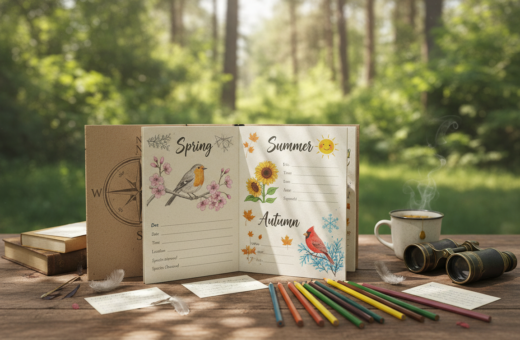
Keeping a short field journal turns fleeting observations into lasting memories you can revisit. A concise log helps you preserve the details of each bird encounter and the feelings that came with it.
Anúncios
The Cornell Lab of Ornithology encourages birders to treat a life list as more than numbers.
“A life list is a scrapbook of memories from time spent in nature.”
Use the Merlin Bird app to save sightings to your life list. Doing so creates a permanent record of every bird you identify.
Anúncios
- Jotting down a sighting helps you remember location, behavior, and season.
- Many birders gain a sense of accomplishment from watching their list grow.
- Over time, your notes show growth in skill and deepen your connection to local birds.
Getting Started with Urban Bird Checklist Personal Tracking
Begin by creating a secure account on the official eBird website or the Cornell Lab mobile app. This step ensures your sightings sync to a single page and your life list grows with each visit to your yard or state parks.
Setting up your account
Visit the eBird website or open the mobile app and register with an email. Once logged in, set a secure password and confirm your profile details.
Tip: Use the same login across devices so your list and life list update automatically.
Choosing your region
Select the correct area on the home screen so the app shows likely species for your location. Download local bird packs to keep names and images available offline.
- Start checklist creation from the home screen for your specific state or yard.
- Your account page will show an organized list as you add sightings.
- Offline packs help you identify and track birds when service is weak.
“A clear setup makes logging fast and keeps your records useful.”
Selecting the Right Tools for Your Observations
Pick reliable tools before you step outside so identification stays fast and accurate. A good setup reduces errors and keeps you focused on the scene.
The Merlin Bird Get Photo ID feature lets you upload photos and get instant suggestions. This feature pairs well with field notes and helps confirm tricky sightings.
Use a trusted mobile app to log each find. The right app saves time and builds a clean list you can review later.
- Fast ID: Merlin Bird offers quick identification and helpful tips and tricks for species recognition.
- Organized data: A reliable mobile app keeps your records tidy and easy to export.
- Better observations: Modern tools capture date, location, and images so your birding looks professional.
Choosing the right tools is the simplest way to spend more time enjoying birds and less time guessing. Start with one strong app and add extras only if they clearly improve your process.
Capturing Essential Data During Your Outings
Collect a few precise facts every time you go outside. This small effort makes your observations useful for you and for science. Keep notes short and clear so you can easily review them later.
Recording location details
Name each location clearly and add the exact spot on your app or page. Use a recognizable name for your yard, park, or trail so you can keep track of repeat visits.
Record the type of habitat and the date to give context to your list.
Noting the time and effort
Log the start and end time and the total time spent birding. This helps birders compare effort between visits and explains why you saw many species or only a few.
Documenting species counts
Write the number you observed for each species. Even a single sighting in your yard is valuable data for trend analysis.
- Use the app screen to add quick comments or sounds you heard.
- Mark sightings on your home screen when you start checklist recording.
- Clear location names and concise notes help scientists and help you come back to a useful record.
Common Mistakes to Avoid When Recording Sightings
Recording a sighting right after you see it cuts errors and keeps your list accurate. Delay often leads to missing details about location, date, or the number you observed.
Be precise when you record information. Vague notes make it hard for scientists and for your own review later.
Avoid guessing the number in a large flock. Give a reasonable estimate instead of a wild guess. This keeps your data useful.
If you cannot ID a species, leave it as unidentified rather than forcing a name. Use a general label when needed.
- Double-check the date and location so your record matches the actual time and area of the observation.
- Use short comments to note behavior and habitat type; these small details help other birders and researchers.
- For example, list a raptor as “Buteo sp.” if you cannot confirm the exact species.
Be honest with your observations. Clear, accurate notes protect the integrity of global data and help future study of local birds.
Refining Your Identification Skills
Improving how you identify species means learning when to confirm and when to leave a sighting open. That judgment keeps your records honest and useful. The Cornell Lab of Ornithology advises that knowing when to leave a bird unidentified is a key skill.
Merlin Bird ID offers audio and visual cues that help you compare what you hear and see. Use those prompts to build confidence before you add an entry to your life list.
When to leave a bird unidentified
Choose “unidentified” if details are missing. A fuzzy photo, unclear plumage, or a distant call are valid reasons to wait.
- Train your ear and eye: Learn key marks and characteristic sounds for local species.
- Use app help: Merlin Bird gives tips and tricks to separate lookalikes.
- Practice often: Regular birding sessions improve speed and accuracy.
- Value each correct ID: Every confirmed sighting strengthens your list and skill.
“Patience and good notes beat a rushed, risky identification.”
Integrating Your Records with Global Scientific Databases
Linking your field notes to global databases turns small observations into powerful conservation tools. The eBird platform has collected over 1.5 billion records from community scientists in the last 20 years.
By submitting your checklists to the ebird website, you make your entries available to researchers at the Cornell Lab of Ornithology. That connection helps convert local sightings into useful data for conservation.
Use the mobile app to upload quick notes and images. Your sightings join millions of observations and help scientists study migration and environmental change.
- Submitting entries to ebird helps scientists track changes in birds and species ranges.
- Your observations, shared through an app, build a public dataset used by birders and researchers.
- Community information supports long-term studies by professional scientists at the Cornell Lab.
Every record matters. Sharing your list ensures your time outdoors supports conservation and future discovery.
Analyzing Your Personal Birding Trends
Reviewing your sighting history reveals patterns you might miss in daily notes. Use the eBird My eBird page to turn scattered entries into clear visual trends.
Start with the life list feature on the website to see totals by state, county, or year. This view shows how your list grows and highlights the number of species you record over time.
Explore the personal maps to find which locations and yard areas gave you the most records. Maps make it easy to spot hotspots and the dates when many species appeared.
Use these insights to plan outings: pick the best time of year based on past data, return to productive locations, and focus effort where your life list improves most.
- See counts by state or county to compare progress across areas.
- Filter checklists on your page to review a single date or season.
- Export data if you want a local copy of your list and sightings for backup.
Conclusion
A simple habit of review helps you learn faster. A short weekly or monthly look at your notes turns small observations into clear patterns. This makes fieldwork more rewarding and more useful.
Starting your own urban bird checklist and setting a routine is a great way to engage with nature near you. By using tools like ebird, you preserve records that help scientists study trends and protect habitats.
Be patient as you learn new species and refine your skills through steady practice. Every submitted list adds to shared knowledge and supports conservation efforts. We hope this guide gives you the confidence to begin your journey as a committed community scientist.