Curious about after-dark visitors? This short guide explains how a night vision bird camera setup can uncover surprising activity around your outdoor space.
More than 650,000 Birdfy users trust these systems to monitor wildlife at home. Modern units use infrared sensors and HD capture to reveal creatures that hide once the sun sets.
This guide focuses on practical choices: how to weigh price against quality, which features matter, and how reviews reveal real-world performance.
Expect clear examples of useful features, such as motion triggers and low-light clarity, plus tips for placement that improve detection without complex installs.
By picking the right product, you expand your backyard experience and catch moments you would otherwise miss. Read on to learn what to look for and why those features matter.
Key takeaways: 1) Infrared and HD help capture nocturnal activity. 2) Balance price and quality by checking reviews and core features. 3) Proper placement maximizes results.
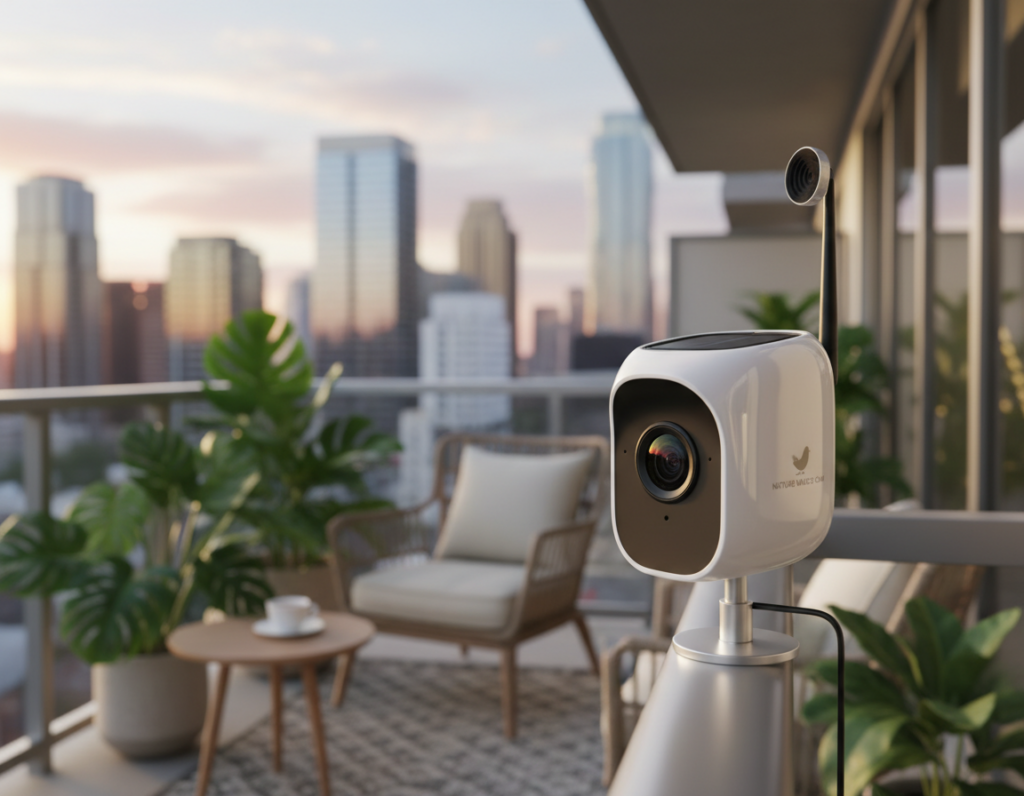
Understanding the Night Vision Bird Camera Balcony Experience
A smart feeder setup turns a simple backyard spot into a live nature stream accessible from your phone. The Beakview app makes it easy to watch birds from anywhere and record short videos to review later.
A smart bird feeder acts as a central hub for your yard. It connects feed, a protected birdhouse design, and an integrated feeder camera so visitors feel safe.
Key benefits include:
- Real-time view via an app so bird lovers can watch birds at any time.
- Identification tools that teach users about each bird species.
- Durable design that keeps the product looking like a natural bird house.
Many users say the price is worth it. Good reviews show that a reliable feeder and camera deliver lasting joy when a great bird visits the nest.
How Infrared Technology Reveals Nocturnal Wildlife
Specialized IR arrays help you watch activity at the feeder when daylight fades. A short-range infrared setup makes a simple device useful around the clock without startling visitors.
The Role of IR Lights
The Beakview system uses eight infrared LEDs at an 850nm wavelength. This arrangement gives visibility up to seven meters in total darkness.
Because the IR light is invisible to most animals, it avoids disturbance while keeping the nest area clear.
Capturing High-Definition Night Footage
The unit pairs IR illumination with a 1920x1080P HD lens. That combination produces sharp footage you can use to ID species visiting your feeder.
- Infrared lets the feeder camera see in low light without a visible glow.
- 1080P resolution helps you spot markings and behaviors in recorded videos.
- Many smart bird feeder setups capture visits to the nest that daytime views miss.
Investing in a quality product with these features can expand what you learn from local birds. For comparisons and user feedback, check the best wildlife cameras to weigh price and reviews.
Practical Steps for Installing Your Balcony Camera
Start by choosing a mounting spot that gives a clear, unobstructed view of the feeder and nest area. A direct line of sight helps motion detection capture visits without false triggers from nearby branches or reflections.
Optimizing Your Mounting Position
Use sturdy straps or wall brackets to secure the smart bird feeder to a railing or pole. Straps are quick and flexible; brackets give a fixed, level angle for longer-term setups.
Aim the feeder camera so the lens centers on likely perches and the entrance of the birdhouse. This improves identification and reduces missed events.
- Consider height and approach paths; place the feeder where common visitors land naturally.
- Add an optional solar panel to keep the unit charged and extend the Beakview battery life (about 45–75 days depending on activity).
- Check connections and panel alignment regularly to maintain consistent power and performance through seasons.
Final tip: test motion triggers after installation and review a few short clips. Adjust the angle or mounting option until the feeder captures clear visits and the system runs reliably.
Leveraging AI and Smart Features for Better Identification
With AI onboard, your feeder notifies you the moment a visitor lands and starts analysis. This makes the app experience more engaging and reduces time spent scrolling through hours of footage.
Real-Time Notifications
The system sends instant alerts to your phone when motion triggers detection. You get a short clip and a quick summary so you can decide whether to watch live or save the footage.
Species Recognition Databases
AI can identify up to 10,000 species and link each sighting to a name, range, and facts. Saved clips can go to cloud storage or a MicroSD card up to 128GB for later review.
Two-Way Audio Communication
Two-way audio lets you listen in or speak to someone near the feeder during the day. This feature adds interaction and can improve the overall feeder experience for owners and visitors alike.
- Power and uptime: add a solar panel to keep advanced AI and uploads running longer.
- Shareable content: export videos to show other nature lovers or include in reviews.
Avoiding Common Setup Mistakes
Simple placement and power mistakes are the main reasons feeders fail to record reliably.
Check the unit’s IP65 rating before you install. That water-resistant rating protects the product from wind, rain, and hail. Skipping this step risks damage to the feeder camera during storms.
Adjust your night settings to prevent overexposure. Infrared reflection off nearby walls or leaves can wash out clips. Test recordings at dusk and tweak sensitivity until detection is consistent.
Always read recent reviews for real-world notes on power and the solar panel. Other users often flag battery or panel issues faster than manuals do.
Keep the smart bird feeder away from heavy foot traffic. Too much human activity will deter visitors and reduce useful activity captured by the device.
- Placement tip: ensure a clear line of sight to the birdhouse and remove branches that block the view.
- Power tip: angle the panel for direct sun and confirm the unit charges as expected.
- Final check: run a short week-long test and review clips and settings before finalizing your setup.
Conclusion
A thoughtful mix of features and installation delivers consistent footage and easier identification.
Investing in a high-quality bird feeder and reliable camera transforms your outdoor space into a steady source of discovery. Proper placement and a solar panel keep power steady and reduce missed detections.
Use the app for quick identification and to save clear videos. Check reviews and compare product price against weather protection and battery life before you buy.
Final tip: prioritize quality and user feedback. With the right feeder and setup, your birdhouse becomes a long-term hub for species sightings and a richer watching experience for bird lovers.